Independent UK patient guide

Clinical assessment required before any treatment plan

From the UK to treatment and back

A full-arch treatment journey should leave no blank spaces.

The surgical appointment is one phase. Diagnosis, consent, provisional teeth, healing, the final bridge and accessible aftercare are equally important.

Istanbul skyline across the Bosphorus
Illustrative editorial photography

Six connected phases

A calm pathway from questions to maintenance.

Exact timing varies by patient and plan. A provider should explain which steps take place remotely, in Türkiye and after you return to the UK.

01

Before any diagnosis

Information and initial discussion

Share your goals and understand which records may be useful. An early remote discussion can organise information, but it should not be presented as a definitive clinical diagnosis.

  • Your aims and main concerns
  • Relevant dental and medical history
  • What can and cannot be judged remotely
02

Before a final plan

Qualified clinical assessment

A dentist examines your mouth, reviews health and medication, assesses the teeth and gums and uses appropriate imaging. Remaining teeth, bone, bite, restorative space and alternatives are considered.

  • Full examination and diagnosis
  • Imaging appropriate to the proposed treatment
  • Alternatives, risks and suitability
03

Before travel and payment

Written restorative plan and consent

The plan should explain why four or six implants are proposed, the bridge, materials, loading protocol, likely trips, costs, risks and aftercare. You should have time to ask questions and decide.

  • Itemised treatment and cost
  • Clinician, implant and bridge details
  • Aftercare, guarantee and complaints route
04

Clinical timing varies

Treatment visit and provisional phase

Treatment may involve extractions, implant placement and a provisional restoration. Immediate fixed provisional teeth are possible only when clinical criteria are met; a different temporary option must be planned if they are not.

  • Final assessment before surgery
  • Implant stability and bite control
  • Written medication, diet and emergency advice
05

Usually measured in months

Healing and review

The tissues and bone need time to heal. Reviews monitor comfort, hygiene, the provisional bridge, bite and implant integration. Contact the treating team promptly if something changes.

  • Planned clinical reviews
  • Protected diet and home care
  • Clear warning signs and contact route
06

After appropriate healing

Final bridge and long-term maintenance

The final bridge is assessed for fit, appearance, speech, bite, comfort and cleaning access. Long-term care includes daily plaque control, professional maintenance and a plan for component or bridge repairs.

  • Final aesthetic and functional approval
  • Cleaning demonstration
  • Records, component details and recall plan
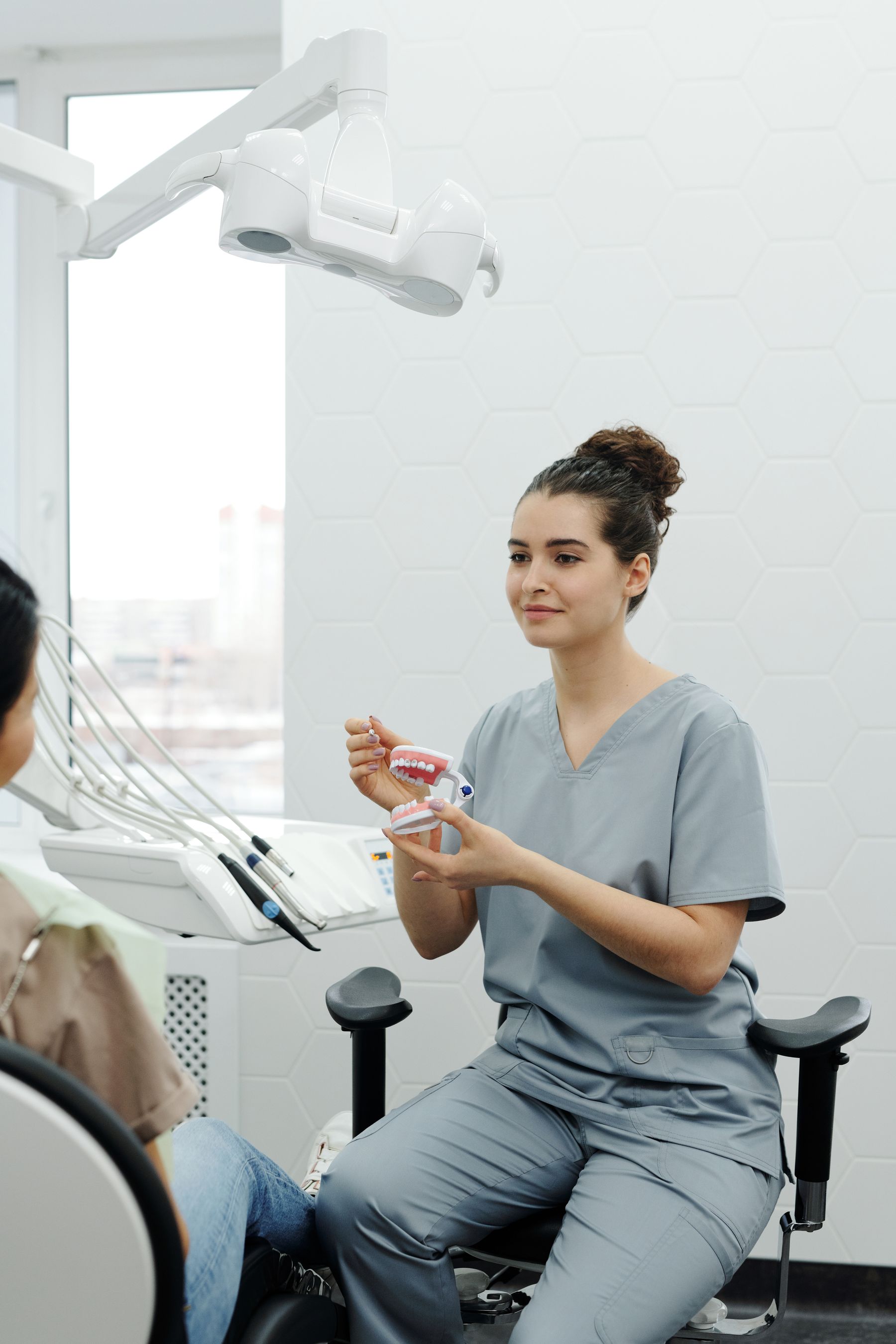
Dental professional explaining treatment
Plan
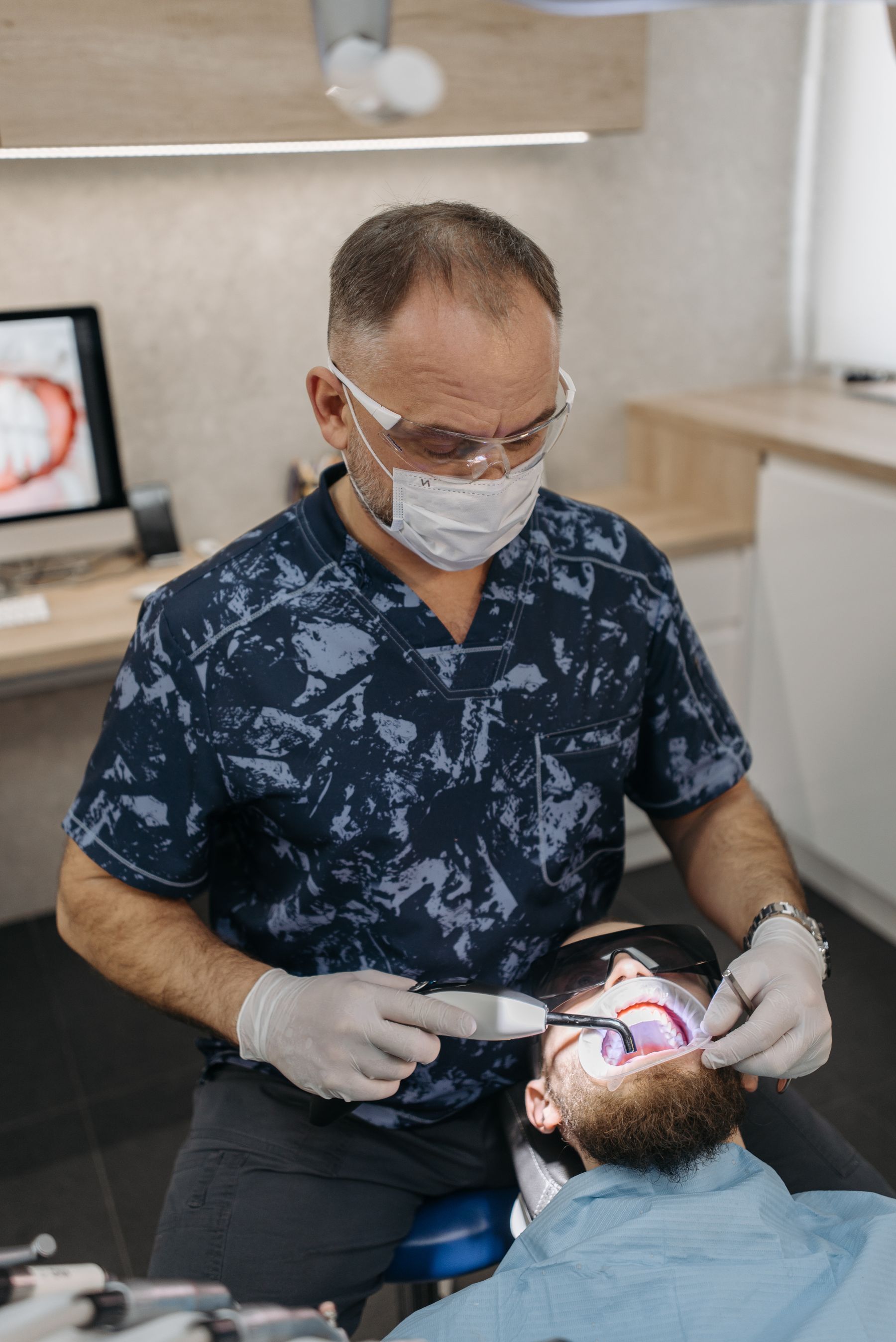
Dentist delivering illustrative care
Treat
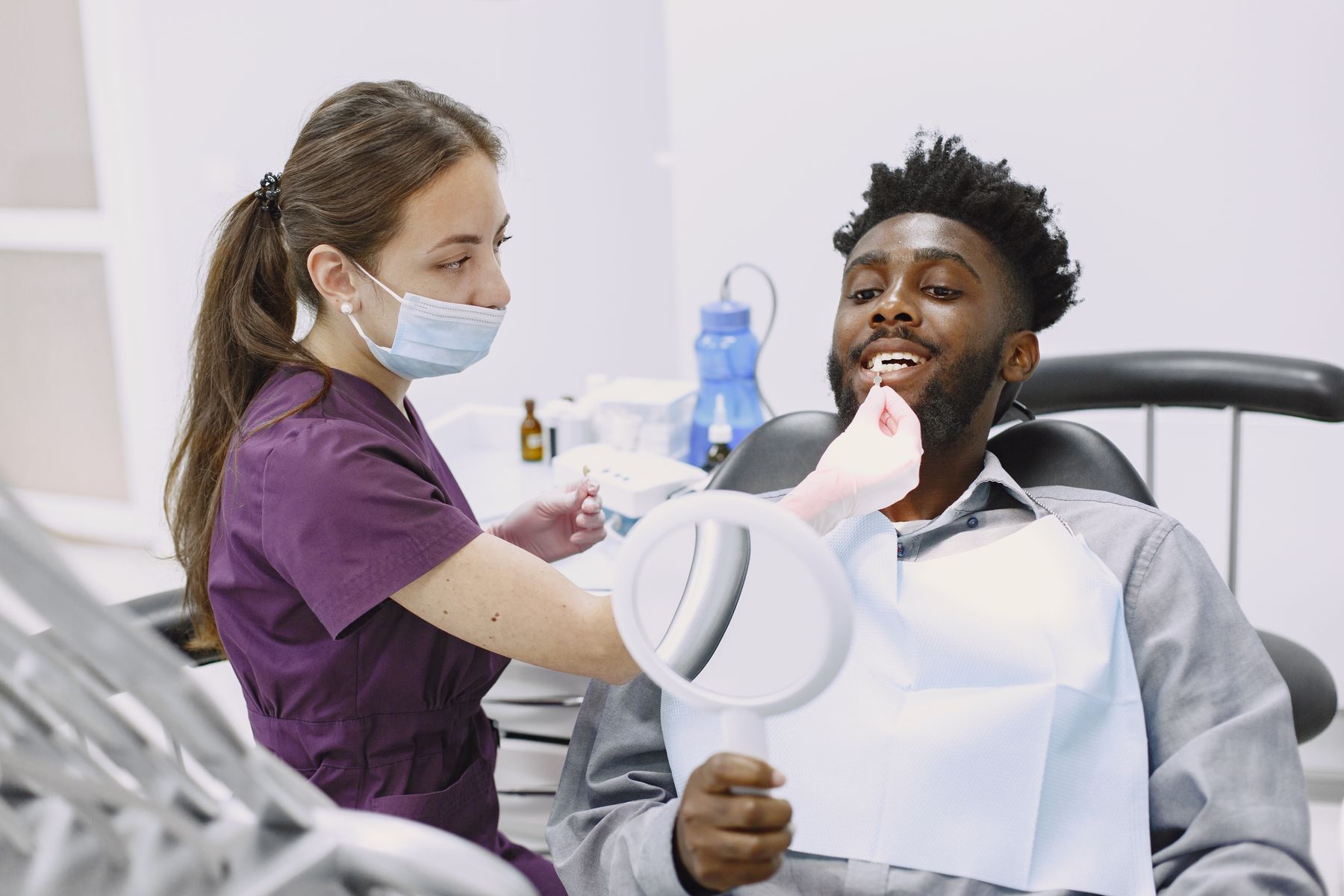
Patient and clinician reviewing a smile
Review

Bring the plan home

Your clinical records are part of your aftercare.

01Diagnosis, signed plan and consent information

02Pre- and post-treatment scans or relevant images

03Implant labels, manufacturer, model, size and position

04Abutment, screw and bridge material details

05Medication, cleaning and maintenance instructions

06Guarantee, emergency contacts and complaints process

A considered next step

Ask for the whole pathway in writing before you arrange travel.

Start with information, not a sales promise. We will explain what a dentist needs to assess and what your written plan should include.

Ask on WhatsApp Please do not send medical records or sensitive health information in your first WhatsApp message.
WhatsApp