01
The dental assessment
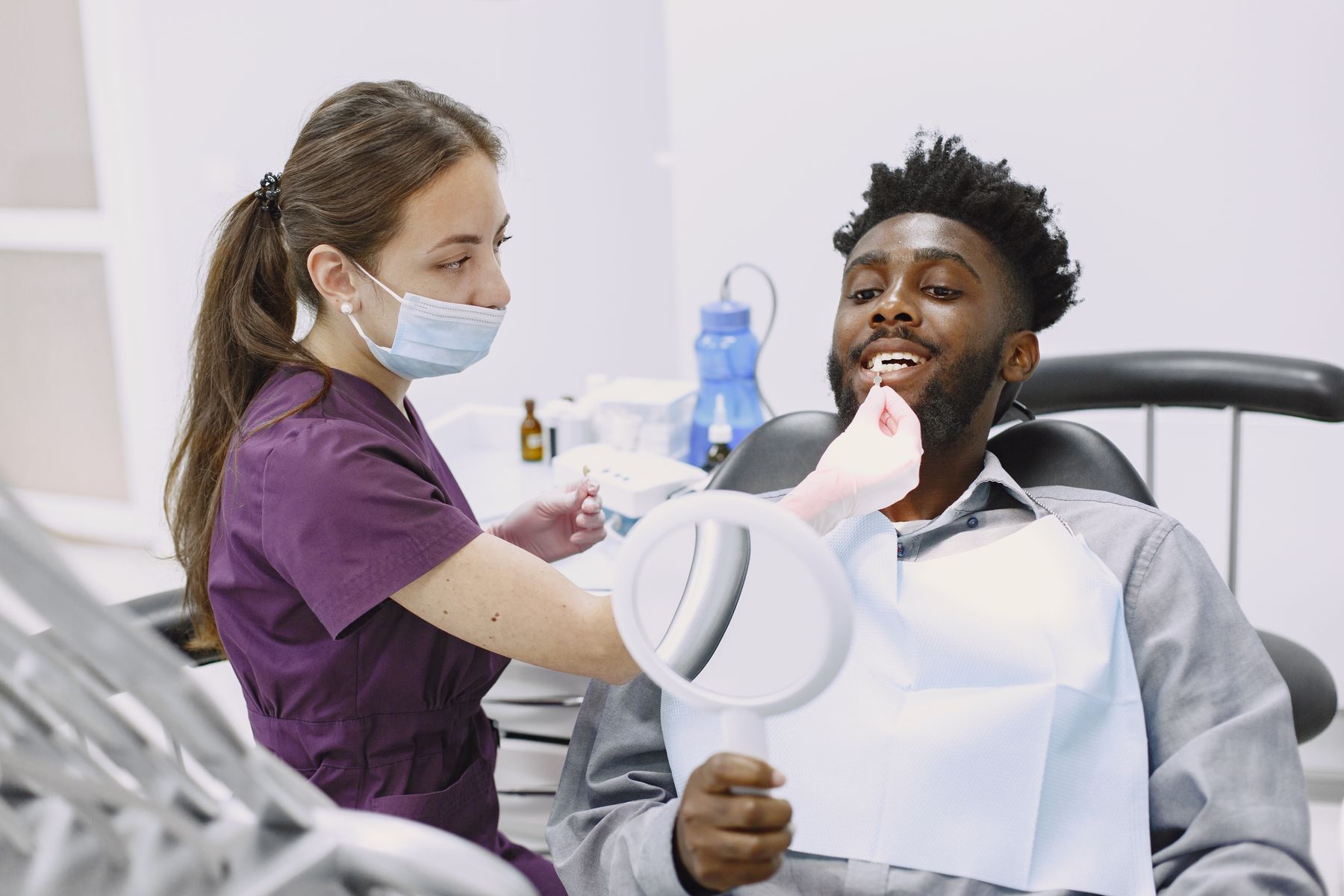
A full-arch plan begins with a detailed history, examination and appropriate imaging. The dentist needs to understand which teeth can be retained, whether there is active infection or gum disease, how much bone is available, and how the upper and lower jaws meet.
Restorative planning matters just as much as implant placement. The team must assess smile line, lip support, tooth position, bite, available space and whether the proposed bridge can be cleaned.
- Condition and prognosis of every remaining tooth
- Gum health, infection and oral hygiene
- Bone volume, anatomy and restorative space
- Bite forces, grinding and jaw relationship
- Appearance, speech and lip-support goals
02
Medical factors
The clinician should review medical conditions, previous surgery, allergies and all prescribed or non-prescribed medicines. Some conditions or medicines do not automatically prevent implant treatment, but they may change risk, timing or the need for liaison with your doctor.
Smoking and vaping can affect healing and long-term implant health. Be honest about tobacco and nicotine use so the risk can be assessed properly.
- Diabetes control and general healing capacity
- Medicines affecting bone, bleeding or immunity
- Previous radiotherapy or relevant surgery
- Smoking, vaping and alcohol use
- Ability to undergo the proposed anaesthesia or sedation
03
Practical suitability
A technically possible operation may still be the wrong plan if you cannot attend reviews, clean the bridge or obtain help when you return to the UK. Treatment abroad adds travel, communication and aftercare questions to the clinical decision.
You should understand the alternatives—including retaining treatable teeth, removable dentures, an overdenture, a different implant design or no treatment—and have time to decide without pressure.