Full-arch fixed option
The bridge is secured to implants and is removed only professionally when required.
Independent UK patient guide
Clinical assessment required before any treatment plan
Complete UK patient guide
All-on-4—also searched as All on Four or All on 4 implants—is a fixed full-arch treatment supported by four planned implants. Learn what the procedure involves, who may be suitable and what a complete Türkiye quote should include.
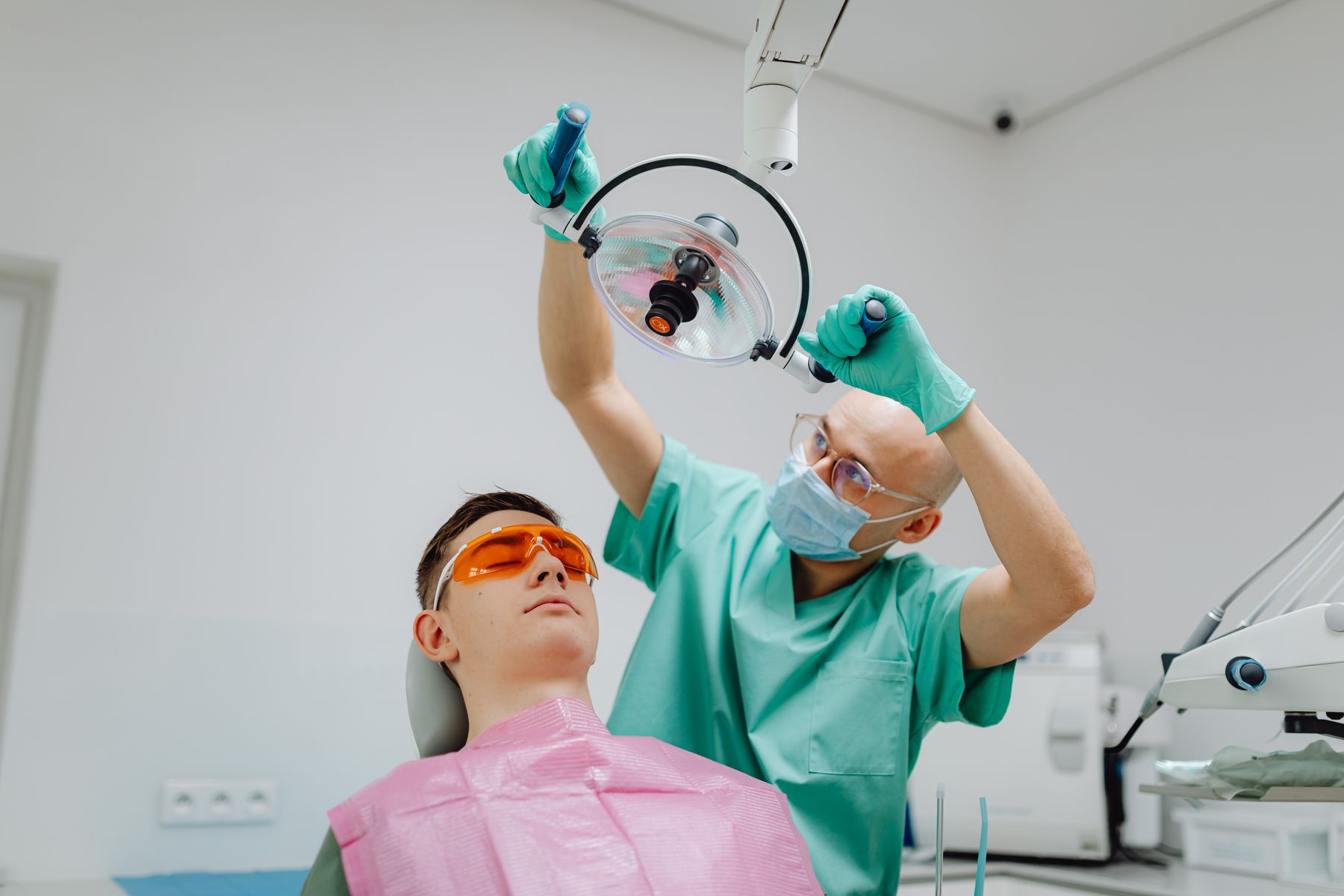
Quick answer
All-on-4 dental implants replace a complete upper or lower arch of teeth with one fixed bridge supported by four implants. The bridge is secured in place and removed professionally when required.
In a commonly used design, the front implants are placed more upright and the posterior implants are angled. Angulation can help make use of available bone and position the support further back, but it is not appropriate or identical in every case.
“All-on-4” describes an implant-support concept. It does not tell you the implant brand, bridge material, surgical method, whether grafting is required, whether immediate loading is suitable or how maintenance will be provided.
Typical concept, not a patient-specific plan
Why it may be considered
The bridge is secured to implants and is removed only professionally when required.
Posterior angulation may help avoid some anatomical areas, but it does not guarantee that grafting will be unnecessary.
A provisional fixed bridge may be fitted early when implant stability and other clinical factors permit.
All-on-4 suitability
All-on-4 may be considered when most or all teeth in one jaw are missing, failing or cannot be predictably restored, or when a patient wants a fixed alternative to a removable full denture.
Suitability depends on medical history, smoking, gum health, infection, available bone, jaw relationship, bite forces, smile design and the ability to clean and attend maintenance. A 3D scan supports planning but does not replace a full clinical examination.
Read the complete suitability guide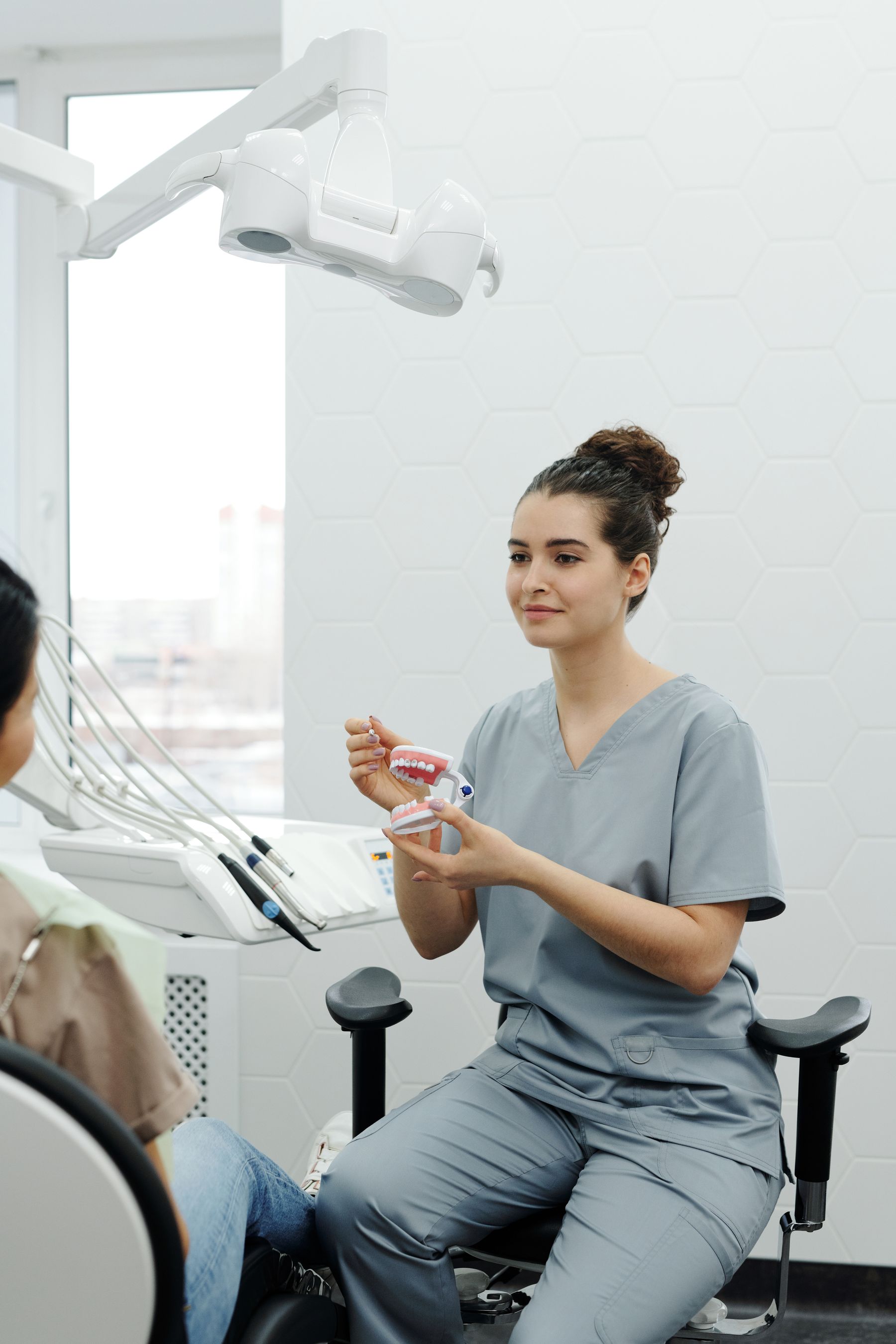
All-on-4 procedure
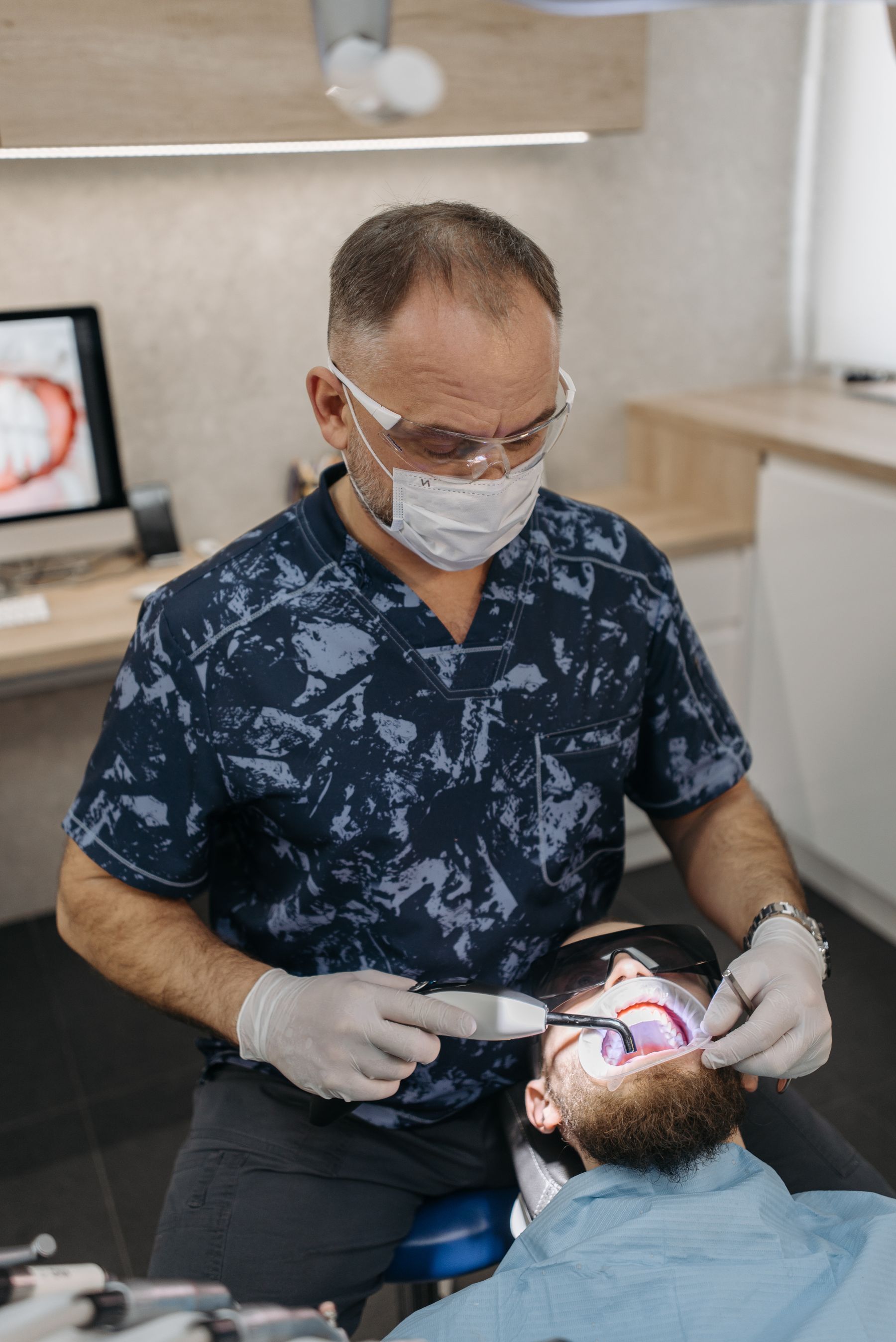
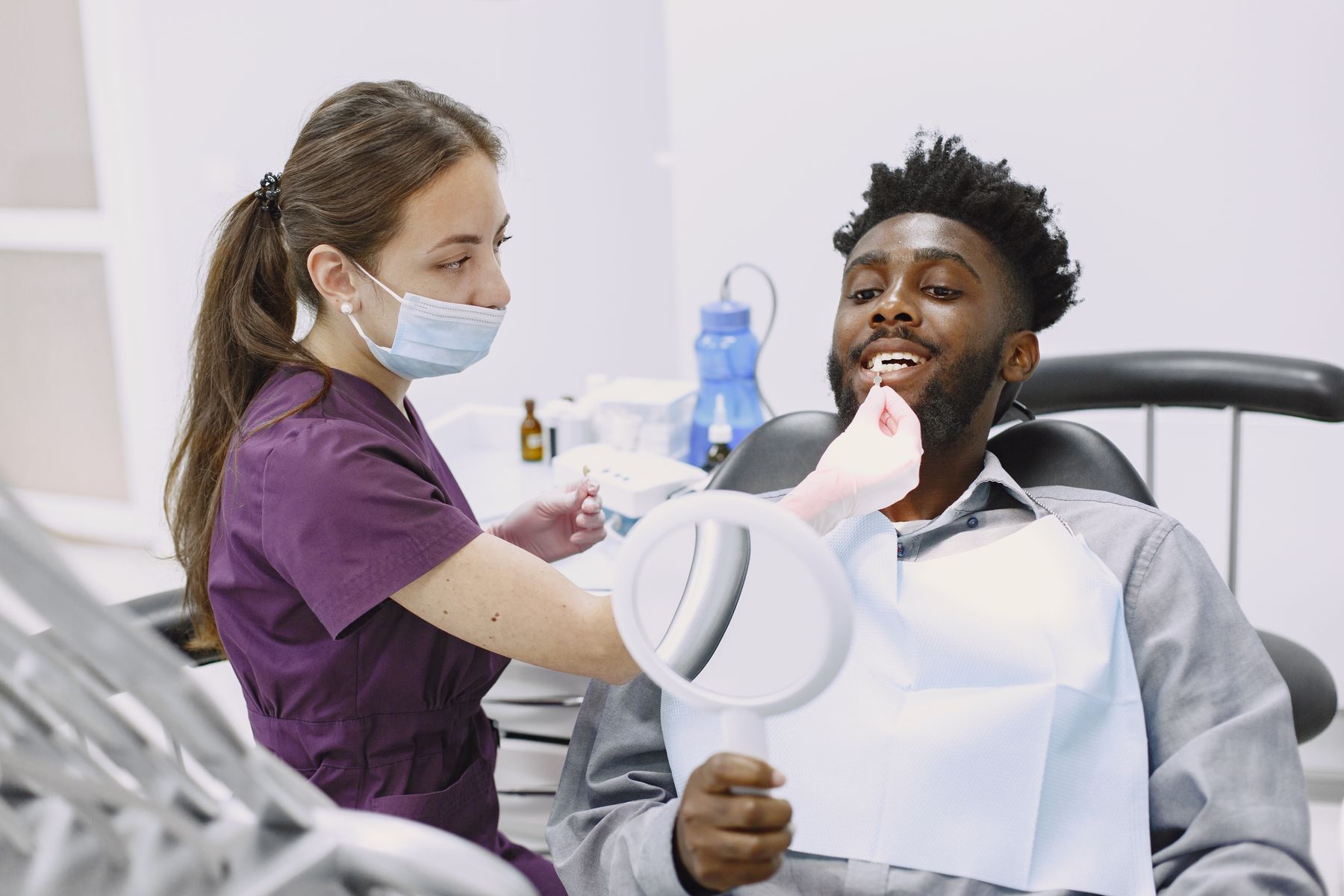
The sequence varies, but a responsible plan separates diagnosis, surgery, provisional teeth, healing and the final restoration.
Medical and dental history, examination, scans, photographs and bite records establish whether full-arch treatment is appropriate.
Failing teeth may be removed and four implants placed in planned positions. Grafting and sedation needs are patient-specific.
Same-day provisional teeth may be possible when stability, bone, bite and medical factors support immediate loading.
Reviews, bite adjustments and healing checks come before the final bridge is made, fitted and entered into maintenance.
Immediate loading
Immediate loading means attaching a provisional bridge soon after implant placement. It is a clinical protocol—not a guarantee and not always the safest option.
The dentist considers implant stability, bone quality, how the implants are linked, the bite, medical history and whether the patient can follow a protected diet. A final bridge is normally planned after healing and review.
Bridge materials
There is no universally best bridge material. Provisional bridges are often acrylic or composite based. Final bridges may use reinforced acrylic, a titanium framework, monolithic zirconia or a combination selected for the patient and the opposing teeth.
Compare appearance, weight, sound, wear, fracture risk, repairability, cleaning access and the cost of future maintenance. Ask whether the quoted bridge is provisional or final and whether the framework and individual teeth can be repaired.
Compare complete All-on-4 cost itemsLimitations & responsibility
The design leaves less numerical redundancy than a six-implant plan, but placing more implants is not automatically better. Position, bone, connection, bridge design, bite and maintenance are interdependent.
A failing implant can require changes to the bridge, healing, replacement or revision of the design.
Chipping, wear, screw loosening or fracture and provisional-bridge damage can require maintenance or repair.
Plaque-related inflammation and bone loss can threaten implants if hygiene and professional maintenance are inadequate.
Overseas care needs a written route for urgent advice, review and remedial treatment after you return home.
Evidence and editorial standard
This page was updated on 17 August 2026 for UK search intent and patient clarity. It provides general education and does not replace diagnosis or consent with a qualified dentist.
Frequently asked questions
All-on-4 is a full-arch treatment concept in which a fixed bridge is supported by four implants in one jaw. In many designs the posterior implants are angled, but the exact position, brand, bridge and loading protocol depend on clinical planning.
No. Angled implant planning may help some patients avoid or reduce certain grafting procedures, but it cannot guarantee a graft-free plan. Bone volume, anatomy, infection, restorative space and the intended implant position must all be assessed.
A provisional fixed bridge may sometimes be fitted soon after implant placement. This is called immediate loading. It depends on implant stability, bone, bite, medical factors and the dentist’s judgement. Same-day provisional teeth are not the same as the final bridge.
The effect depends on timing, position, the bridge and the remaining support. Treatment could involve unloading or adapting the bridge, allowing healing, replacing an implant or revising the plan. Ask how complications and remedial treatment are handled before you proceed.
Not automatically. Implant number is only one part of a full-arch plan. Bone distribution, prosthetic design, hygiene access, bite forces and the clinician’s restorative plan matter more than choosing a larger number by name.
There is no single best material for every patient. Provisional bridges are commonly made from acrylic or composite-based materials, while final bridges may use reinforced acrylic, a titanium framework, zirconia or a combination. Bite, opposing teeth, repairability, weight, appearance, cleaning access and budget all affect the choice.
Cost depends on whether one or both arches are treated, extractions, bone procedures, sedation, implant components, the provisional bridge, final bridge material, laboratory stages, travel and aftercare. Compare itemised written quotes rather than headline package prices.
Brush the bridge and gumline twice daily and clean beneath the bridge every day using tools selected for its shape, such as interdental brushes, specialist bridge floss, a single-tufted brush or a water flosser. Your dental team should demonstrate the technique and review your results.
No responsible provider can promise a universal lifespan. Long-term performance depends on health, smoking, implant position, bridge design, bite, daily cleaning, professional maintenance and how complications are managed. The bridge and its components may require repair or replacement even when the implants remain integrated.
A considered next step
Start with information, not a sales promise. We will explain what a dentist needs to assess and what your written plan should include.
Ask on WhatsApp Please do not send medical records or sensitive health information in your first WhatsApp message.